June 2026 Telluride Market Analysis
The High-Altitude Citadel
Why Telluride is the Ultimate Long-Term Climate Refuge
An Exclusive Market Insight Incorporating Leading Climate Science
There is a permanent shift in the top-tier real estate market — one driven not just by higher interest rates but by a search for geographic permanence. Sophisticated buyers are evaluating their portfolios through a new lens, looking past aesthetic finishes to ask a fundamental question: Where will be safe, resource-secure, and comfortable decades from now?
Telluride has emerged as one of North America’s premier high-altitude climate refuges. To understand why, we look to the data and insights of Dr. Jonathan Overpeck, a premier climate scientist, Dean and professor at the University of Michigan, and a member of the National Academy of Sciences, and a leading expert on Western hydroclimate dynamics.
The Altitude Buffer: Natural Geography vs. Extreme Heat
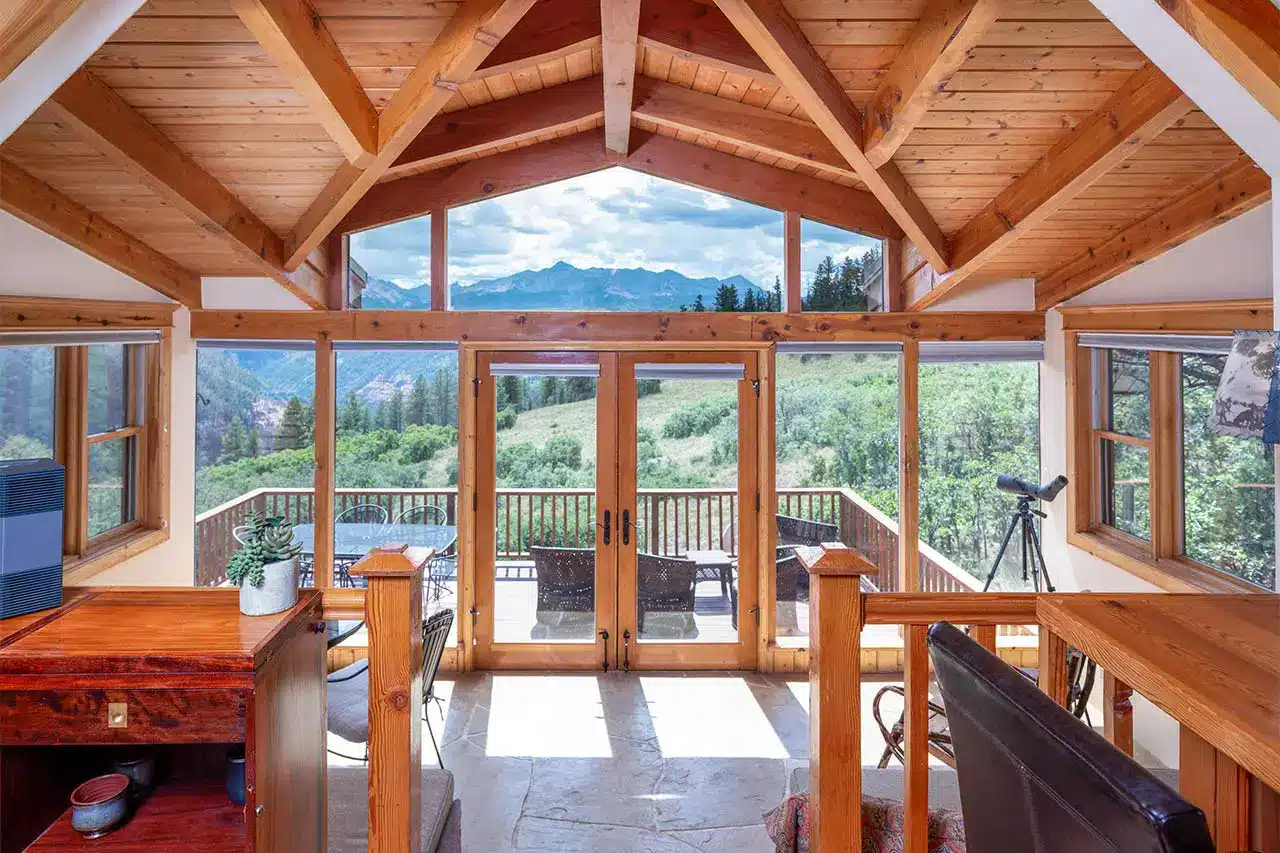
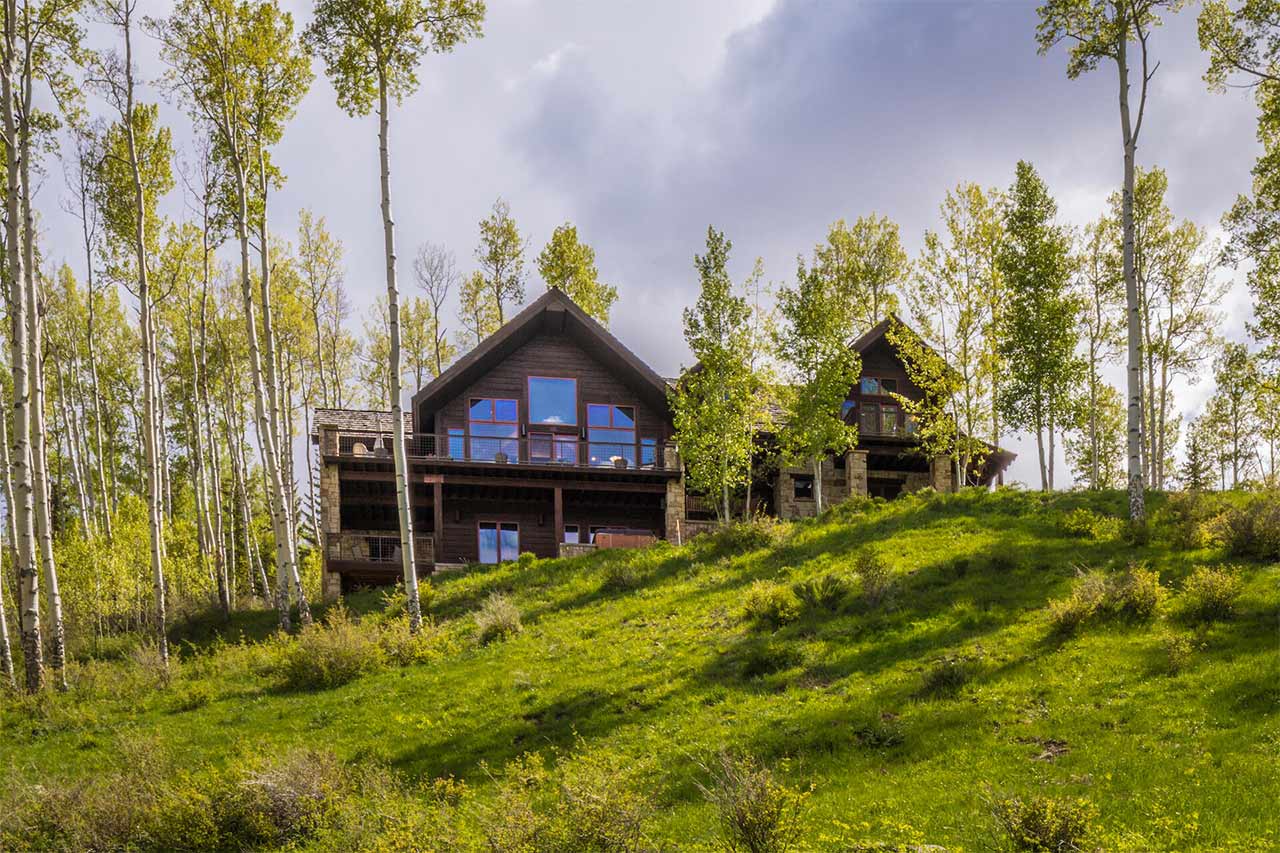
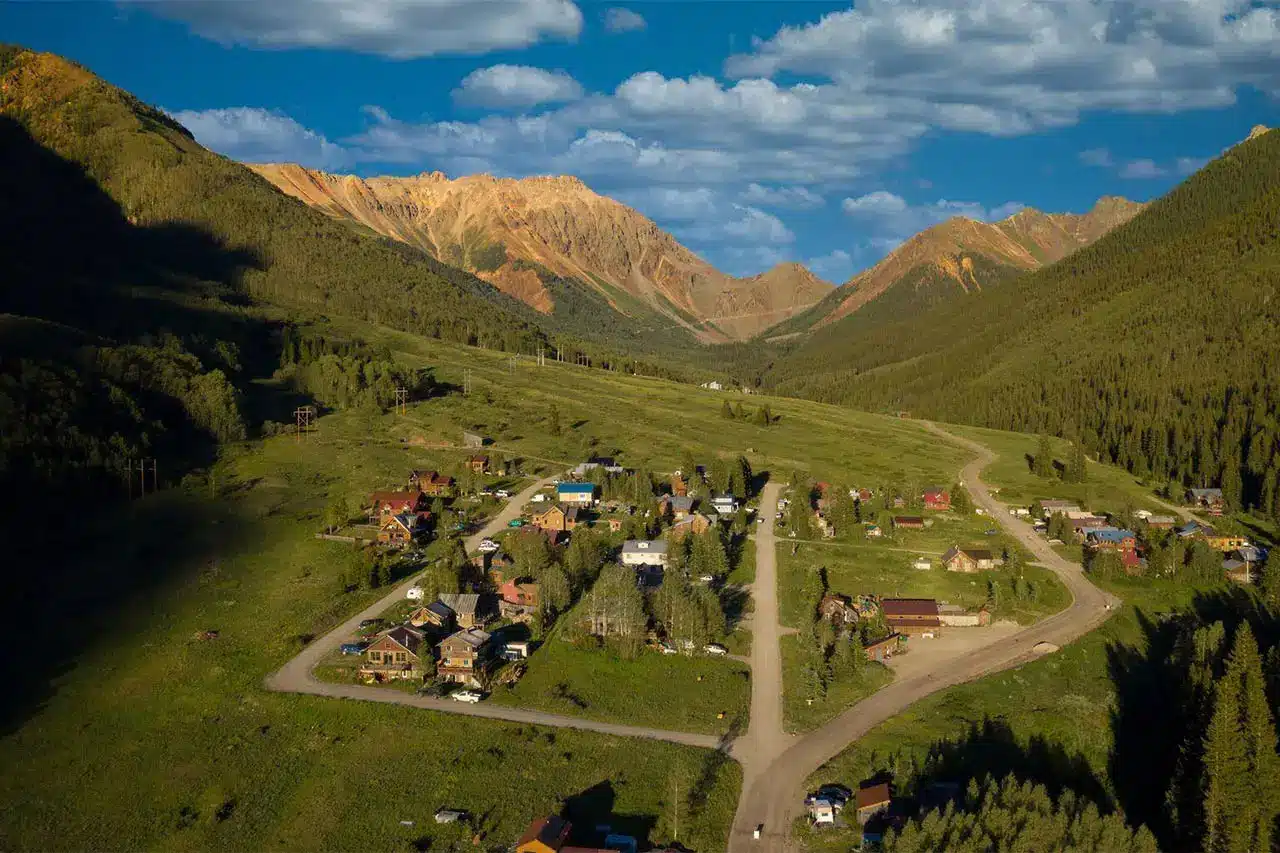
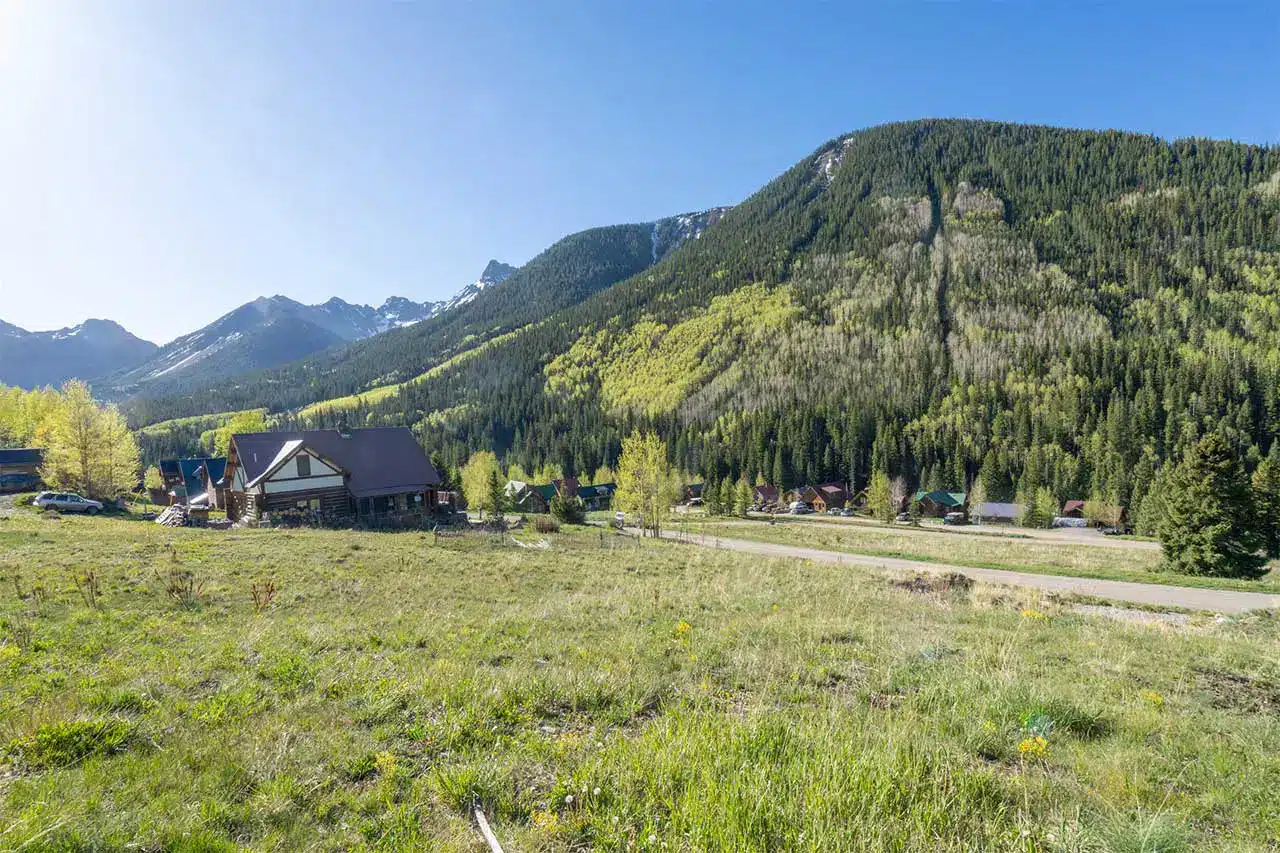
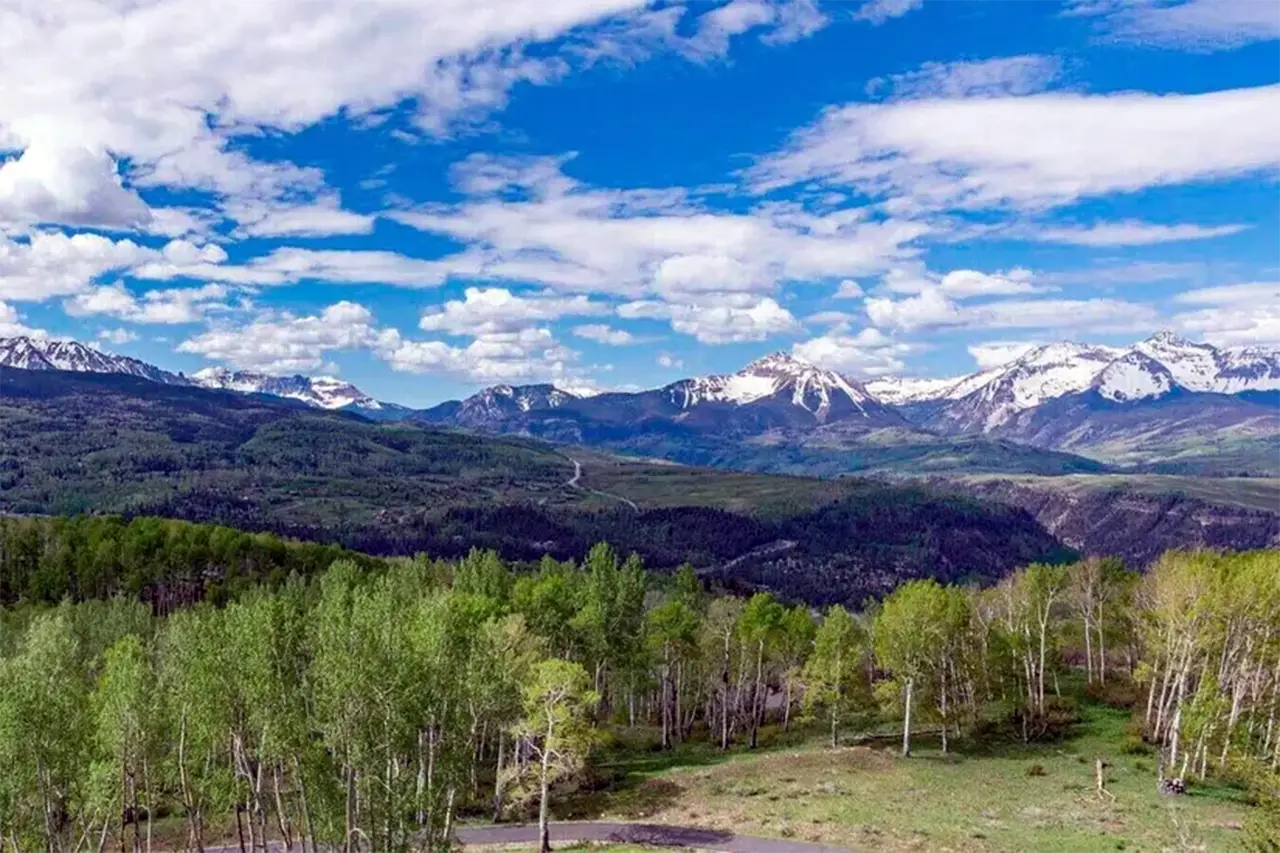
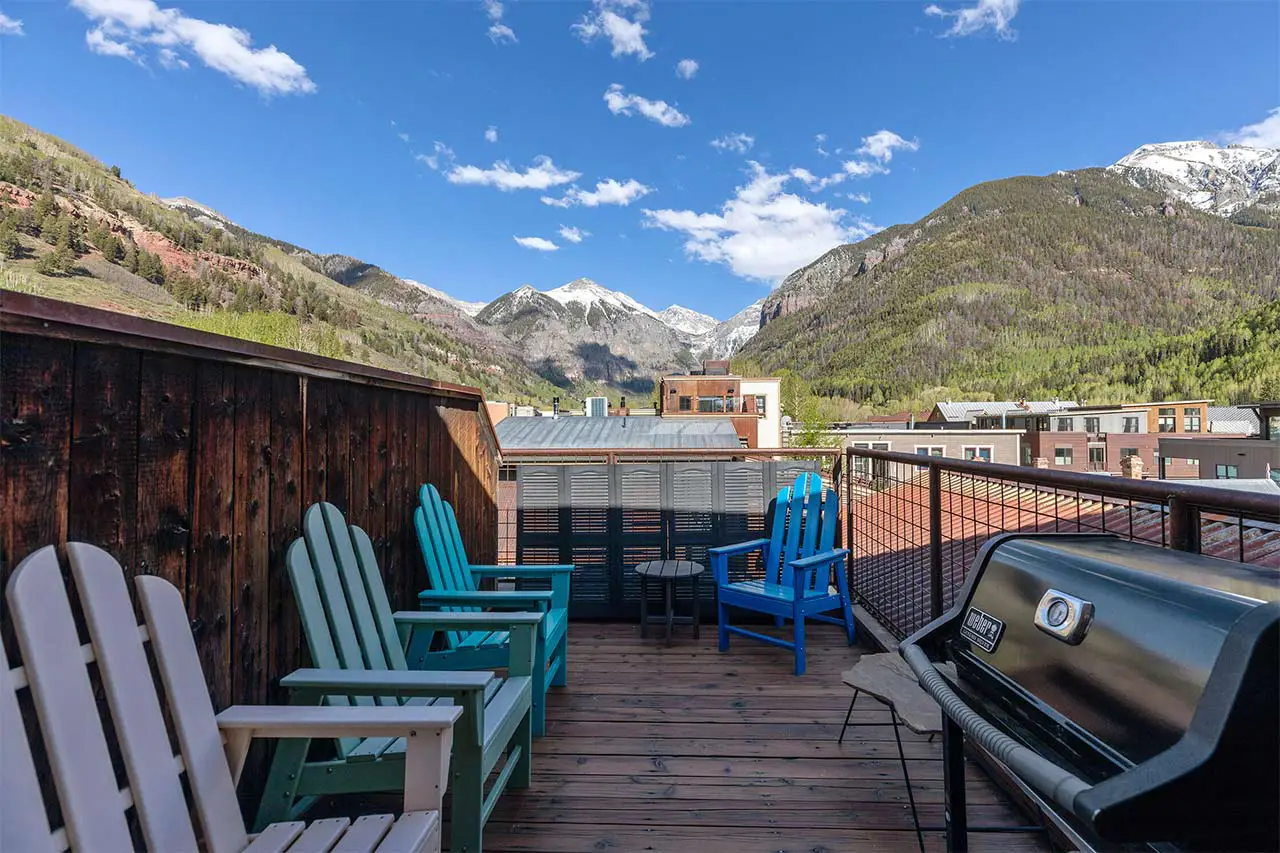
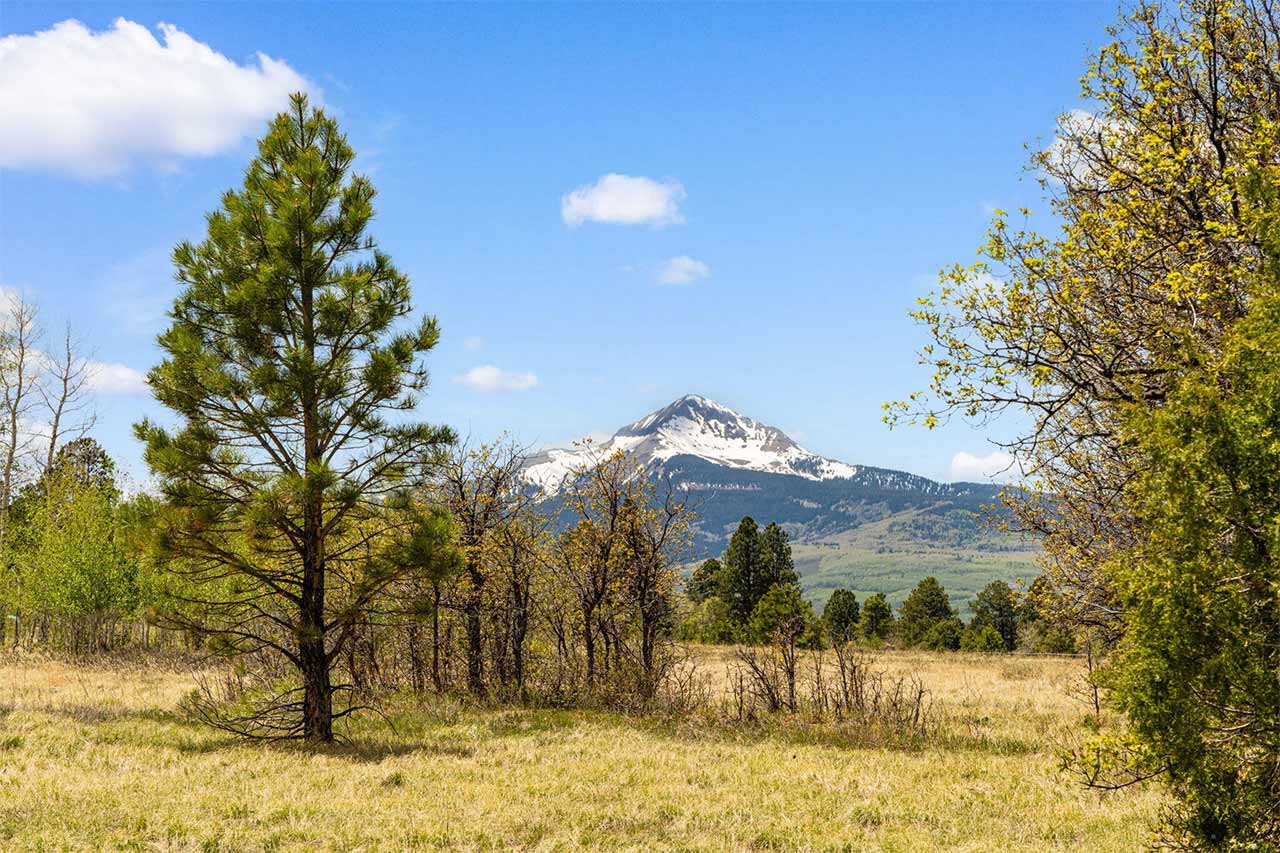
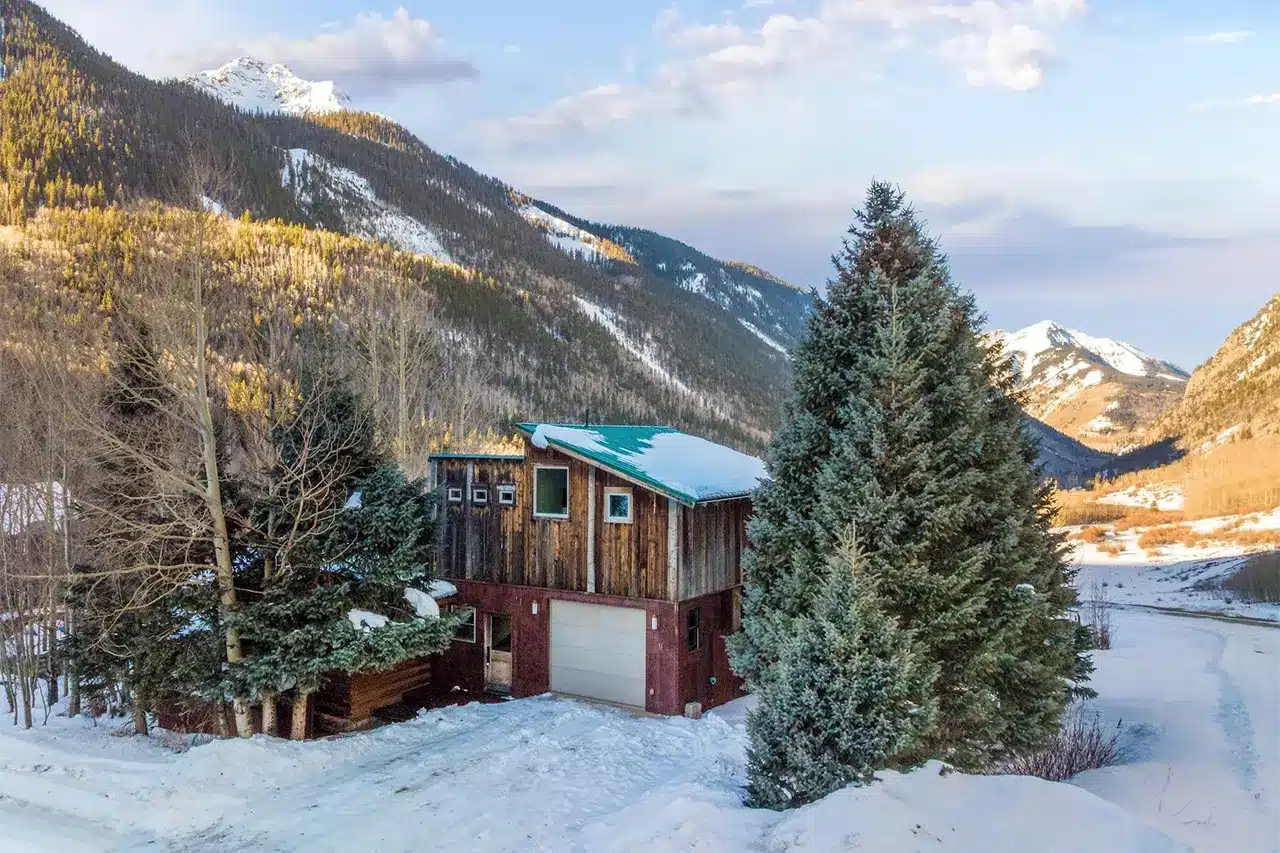
Lower-elevation premier markets across the American Southwest are experiencing a severe increase in “extreme heat days”. In contrast, Telluride‘s high elevation—ranging from 8,750 feet above sea level in the town box canyon to 9,500 feet in Mountain Village — acts as a natural physical barrier against a warming atmosphere.
As Dr. Overpeck’s regional climate models indicate, high-altitude mountain basins possess an inherent thermal buffer. While surrounding desert and valley locations face intensifying, prolonged heatwaves, Telluride’s summer days remain highly temperate, peaking in the mid-70s to low-80s°F. At night, the temperature rapidly drops into the 40s and 50s°F.